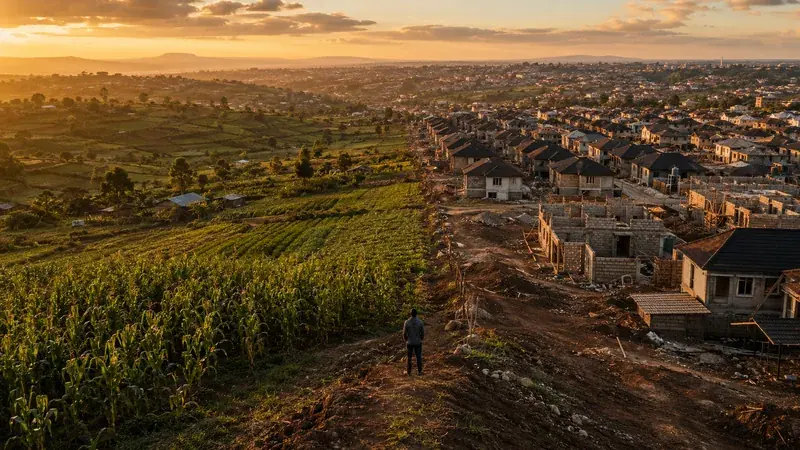
The grain value chain in East Africa has been facing multiple challenges over the past several months. The COVID-19 pandemic, Russia-Ukraine War, and drought have brought unprecedented challenges to the agricultural sector in East Africa. The grain value chain, which is a crucial component of the region's economy and food security, has been particularly affected by these events.
This post examines the impact of COVID-19, the Russia-Ukraine War, and the drought on the grain value chain in East Africa, focusing on the challenges faced by smallholder farmers, disruptions in transportation and storage, and potential solutions to mitigate the effects of these events.
Impact of COVID-19 on the Grain Value Chain in East Africa
One of the biggest challenges faced by smallholder farmers in East Africa during the pandemic was the disruption of market access. With lockdowns and travel restrictions in place, farmers were unable to sell their produce. The closure of borders and the restrictions on movement made it difficult to transport grain from the farms to the markets, resulting in delays and increased costs.
This led to a surplus of grain in some regions and a shortage in others. This mismatch in supply and demand in turn put pressure on the prices of the grain. While some farmers benefited from higher prices for their produce, others faced financial difficulties. The lack of proper storage facilities and the closure of some warehouses also led to the spoilage of surplus grain, further complicating the regional food balance sheet and food security.
Some countries like Tanzania imposed export restrictions for fear that they would not have enough left to feed their citizens. The impact of these restrictions and some of the factors below continues to affect the price of commodities to date.
Russia-Ukraine War
The outbreak of war between Russia and Ukraine compounded the already existing issues in the grain value chain in East Africa. The decrease in fertiliser exports to Africa due to the war has had a significant impact, with farmers facing difficulties in accessing the inputs they need to grow their crops. The price of fertiliser rose exponentially in the 2022 production season, making it even more difficult for farmers to afford it. This has been particularly detrimental to East Africa, as some parts of the region have been facing a severe drought, which has further reduced crop yields and the quality of the grain available.
Furthermore, the war has also led to a global increase in the price of commodities, including oil, which has led to hyperinflation in many countries, including those in the East African Community. This has caused widespread economic turmoil, which has been affecting many countries in Africa for several months.
The combination of these factors has had a significant impact on the grain value chain, making it more difficult for farmers to produce and sell their crops, and for traders to transport and sell the grain in markets. It has also led to an increase in food insecurity in some areas, as the supply of grain is not meeting the demand. Whereas this has led to the highest grain prices ever seen, it has not translated to higher disposable incomes.
It's important that the governments and stakeholders in the grain value chain take steps to mitigate these challenges and support farmers and traders to ensure food security and stability in the region. Some governments like Kenya have initiated programmes to lower the price of fertiliser. This is a step in the right direction.
Overcoming the Challenges in the Grain Value Chain
There are several solutions that can be implemented to overcome the challenges in grain value chains posed by drought, lack of farm inputs such as fertiliser, and grain export restrictions. Some of these solutions include:
- Drought-resistant crop varieties: Developing and promoting drought-resistant crop varieties can help farmers to better cope with drought conditions and reduce crop failures. This can be done by researching and developing new crop varieties that are more tolerant to drought, or by identifying and promoting existing crop varieties that are already drought-resistant. This can help farmers to grow crops during periods of drought and increase the yield and the quality of the grain.
- Irrigation systems: Investing in irrigation systems can help farmers to grow crops during periods of drought, by providing a reliable source of water for crop production. This can include traditional irrigation systems such as canals and wells, as well as modern systems such as drip irrigation and sprinkler systems. This can also help farmers to produce crops year-round, regardless of the weather conditions, which can stabilise the grain value chain.
- Fertiliser subsidies: Governments can provide subsidies for fertiliser to farmers, to help them afford the inputs they need to grow their crops. This can help to increase crop yields and improve the quality of the grain. The government can also consider collaborating with private companies to provide farmers with access to credit and other forms of financing, to purchase the needed inputs.
- Storage and transportation infrastructure: Improving storage and transportation infrastructure can help to reduce post-harvest losses and make it easier to transport grain from farms to markets. This can include investing in new storage facilities and upgrading existing ones, as well as improving transportation infrastructure such as roads, rails, and ports.
- Support for smallholder farmers: Providing smallholder farmers with training, access to credit, and other forms of support can help them to increase their crop yields and improve the quality of the grain. This can include providing education on sustainable farming practices, access to modern farming equipment, and market access.
- Climate-smart agriculture: Encouraging farmers to adopt sustainable farming practices that help them to adapt to changing climate conditions, such as regenerative farming, soil conservation, water harvesting, and so on. This can help farmers to reduce the impact of climate change on crop yields, and increase the resilience of the grain value chain.
Overall, a comprehensive approach that includes a combination of these solutions can help to mitigate the challenges facing the grain value chain in East Africa, and support farmers and traders to ensure food security and stability in the region.
Conclusion
The COVID-19 pandemic, Russia-Ukraine War and Drought have had a significant impact on the grain value chain in East Africa. The challenges faced by smallholder farmers, disruptions in transportation and storage, and the potential solutions to mitigate the effects of these events on the grain value chains in East Africa need to be addressed. By developing drought-resistant crops, providing irrigation systems, investing in infrastructure, and adopting climate-smart agriculture, East Africa can minimise the impact of these events on the grain value chain and ensure the sustainability of the agricultural sector in the region.
Sources
- IFPRI: The Russia-Ukraine war after a year — impacts on fertilizer production, prices, and trade flows
- Foreign Policy: War in Ukraine is worsening East Africa's food crisis
- Wilson Center: The price of Russia's Ukraine invasion — Africa's food security
Are you interested to learn more about innovative solutions to address food loss and waste in Africa? Read our post on Food Loss and Waste in Africa.